Blogs
Trust and Safety in Gaming (Part 3): How Can Gaming Companies Win Player Trust Through Better Support?

27 March 2025
By Ling Quek
VP of Trust & Safety (Global Client Solutions)
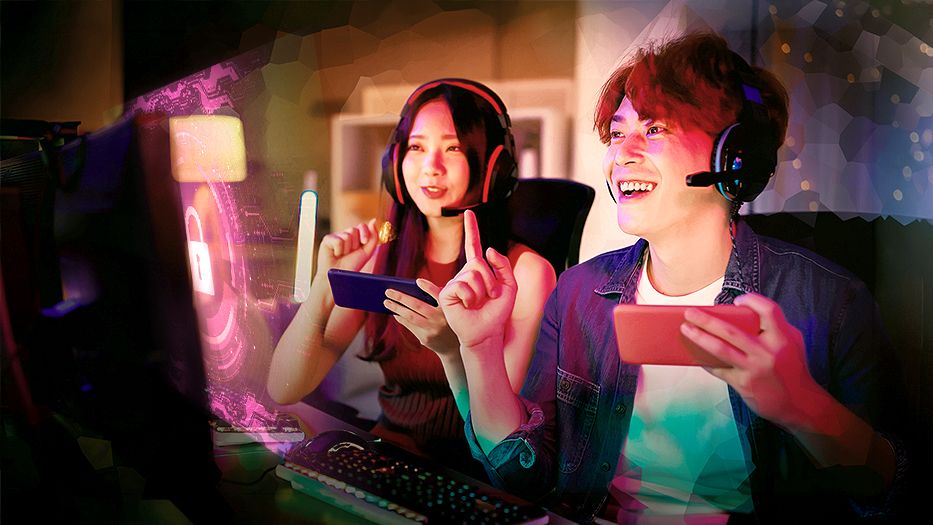
A late-night gaming session takes a turn for the worse when friendly banter escalates into harassment. What started as a lighthearted competition quickly shifts into personal attacks, leaving one player feeling alienated and unwelcome. By morning, they decide not to log back in — perhaps for a short break, or maybe for good. This is not a made-up scenario — millions of players experience moments like this, which gradually erodes their trust in gaming communities. For gaming companies, every lost player is not just a statistic; it’s a missed opportunity to foster loyalty, engagement, and long-term growth.
In our earlier features on player support, we brought you into the world of the player, uncovering how players draw the line between banter and disruptive behavior. We then translated how that player experience translated into business impact, revealing that 65% of surveyed players have quit or would quit a game due to negative interactions — resulting in lost revenue which could amount to billions and significant player churn.
So how can gaming companies foster a safer, more engaging gaming environment while maintaining business growth?
The key could lie in empathy-focused, player-centric support. According to the TDCX Gaming Survey Report, 65% of players have quit or would quit a game due to harmful interactions — showing that players are more likely to stay loyal when they feel safe and understood.
Why a “for players-by-players” approach builds trust and retention
Many leading gaming companies have embraced player-driven support models as a core strategy to deepen engagement and improve player experience. A “for-players-by-players" approach ensures that the people handling player concerns are actual gamers — people who deeply understand the frustrations, expectations, and nuances of gaming communities.
Generic support models can leave players feeling unheard — especially when those providing support cannot empathize with the player’s concerns. In a fast-paced gaming environment, traditional customer service teams often lack the context and cultural fluency needed to connect with passionate gaming communities, resulting in slower resolutions and rising frustration.
TDCX partnered with a leading US-based video game company to support its fast-paced, global player community. The goal: Scale the premium, personalized support they’re known for while leveling up trust and safety — all without losing the nuance and connection that made their games successful in the first place.
To achieve this, TDCX assembled gamer-led teams who didn’t just speak the players’ native language, but understood the game’s dynamics — the grind, the meta, the unspoken rules of each player base. This “for-players-by-players” model, combined with our deep immersion programs, translated into quicker resolutions and better community management.
What began as a customer service challenge became a long-term win for retention and loyalty. In just 12 months, TDCX scaled the operations by 40 times and exceeded service-level agreement, quality assurance, and customer satisfaction KPIs ahead of schedule. With this milestone, our partnership has since geared up tenfold to support the company’s next phase of growth.
Cultural relevance: The easter egg in player support
World dominion is not just the goal of player factions but the dream of game developers and publishers. Beyond empathy, cultural relevance plays a crucial role in ensuring effective player support.
As games grow globally, culturally relevant engagement becomes a must-have. What may be considered friendly banter in one culture could be perceived as offensive or even toxic in another. Companies that fail to recognize these nuances risk alienating entire player segments, leading to disengagement and churn.
The integration of cultural intelligence into player support enables gaming companies to provide a more inclusive experience. This means hiring multilingual and culturally aware support teams, training moderators to recognize region-specific issues, and adapting policies to reflect different gaming norms worldwide. More importantly, culturally relevant support ensures that players feel respected and understood, reinforcing their trust in the game and its community. This principle is something we believe strongly in at TDCX. This is why we work with our clients to tap our diverse network and employees to build multilingual, region-specific teams.
Looking ahead: The future of trust and safety in gaming
With the right strategy, trust and safety can become a growth driver rather than a defensive measure. Gaming companies that prioritize trust and safety will not only retain their player base but also attract new audiences seeking positive online interactions. Those who actively listen, respond, and adapt to the needs of their global player community will not only win player trust but also secure long-term growth in an ever-evolving industry.
Uncover more insights from the TDCX gaming survey report or get in touch to build a safer, more engaging player experience.