Blogs
Why CX is the Trust-Building Advantage in Japan’s Roadside Assistance Market
24 July 2025
By Michael Callipari
VP Operations, TDCX Japan
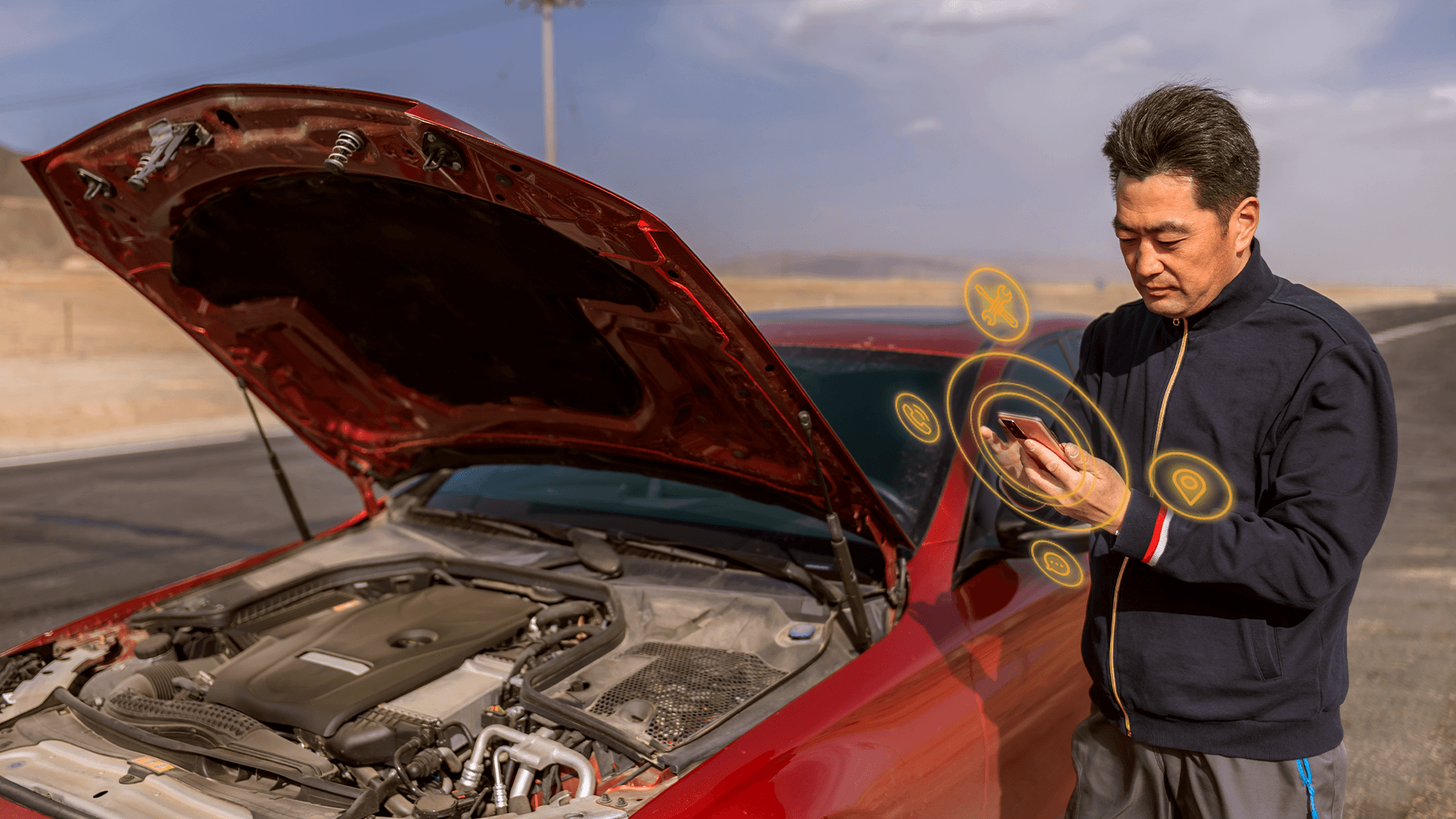
Every year, the Japan Automobile Federation (JAF) responds to more than 2.26 million roadside help calls, averaging one call every 14 seconds across the country. Leading teams that support customers across Japan, I’ve seen how a roadside breakdown can quickly become one of the most stressful moments a driver can face. It’s not just the inconvenience of a stalled car or a flat tire, but the uncertainty and fear of what might come next.
In these moments, customer trust can be easily lost. Across Japan, drivers already under stress can find themselves facing bills that far exceed the “basic charge starting from 3,980 yen” ad they saw online, leaving them with little choice but to pay on the spot. News like this is a reminder that roadside assistance isn’t just about towing a car or changing the battery, but about providing clear information, fair treatment, and genuine reassurance.
Japan’s roadside assistance market is also projected to accelerate to over 7% annually, a pace that would only add pressure to already stretched customer experience (CX) teams, especially for global brands operating in Japan’s highly service-conscious market. When every call feels like rush hour, can your CX keep up, or will the experience break down before the car does?
Why there's an increased need for CX in Japan's roadside assistance
In Japan’s CX landscape, “omotenashi” is the engine that drives the experience. Every interaction is guided by anticipation, genuine care, and cultural nuance. When a car breaks down, that expectation doesn’t stall. Even as roadside assistance shifts into digital overdrive, empathy remains firmly in the driver’s seat.
Japan’s demographic shifts add another layer to this. An aging population means more elderly drivers on the road, many of whom might need extra patience and reassurance. At the same time, Japan’s inbound tourism continues to hit record highs, bringing drivers who might not be familiar with local road customs and etiquette. Just last year, accidents involving foreign drivers rose by 30%, a clear sign of how disorienting Japanese roads can be for newcomers.
Rising demand for smarter vehicles, increased road accidents, and the growing use of connectivity and safety technologies are raising the bar for quick, seamless support, regardless of a brand’s tenure in the market. As these changes unfold, we’re seeing roadside assistance teams evolve in step, building multilingual capabilities, training agents to better support elderly and international drivers, and using customer journey mapping to anticipate and ease stressful situations. For international brands navigating Japan’s high-context service culture, a CX-first approach provides a clear path to connection and competitive relevance.
Turning stressful roadside moments into trust-building experiences
Whether the driver reaches out via a hotline, in-car SOS system, or a mobile app, that first interaction can define the entire experience. In these moments, people need clear, calm guidance: What happens next? How long will it take for help to arrive? Will they be left alone on the roadside? In Japan, where punctuality is a deeply held standard, updates need to be clear and honest. The Tokaido Shinkansen, for example, averaged just 1.6 minutes of delay per train across all of 2024.
Brands can enhance this by implementing proactive, automated updates with accurate ETAs while training agents to deliver calm, empathetic guidance. In Japan, 51% of consumers expect a response within an hour, so even short roadside delays can feel much longer when someone is stranded, especially in bad weather or unfamiliar places. This is when the human side of customer support matters most. Blending technology with human-centered support helps transform stressful waits into moments of reassurance, especially for elderly drivers who might feel embarrassed about needing help, or tourists overwhelmed by navigating Japanese procedures. These interactions, when handled well, offer international providers a unique opportunity to demonstrate cultural sensitivity and reliability – two attributes that carry long-term weight in Japan’s word-of-mouth-driven market.
The roadside assistance journey is more than a transaction. It’s an opportunity to understand what truly matters to customers when they need help the most.
In the Japanese market, CX is the competitive edge
Roadside assistance in Japan often comes bundled with car purchases or insurance policies, whether through domestic companies or international brands with local market presence. Some are regulated, many feel similar at first glance, and the basic mechanical work is often the same. What sets companies apart is how they make people feel.
You can have the latest GPS tracking, bilingual apps, or AI-driven routing, but if your frontline people don’t deliver reassurance, respect, and the right information, the technology falls flat. What truly matters are clear, proactive updates in the customer’s language, a calm voice that explains what happens next, and the steady reassurance that help is truly on the way.
Taken together, these challenges reveal why CX is the untapped opportunity in Japan’s roadside assistance landscape, where new and established providers alike can truly differentiate. By standardizing cultural training and equipping frontline agents with tools that support multilingual and omnichannel interactions, service providers can reduce miscommunication, accelerate response times, and ensure service quality across all customer touchpoints.
AI-powered agent assist tools can provide best-practice recommendations and instant access to knowledge bases that enable support staff to resolve cases efficiently while maintaining empathy. Advanced solutions powered by generative AI can go even further, analyzing context in real time to provide tailored, highly personalized responses. Seamless digital-to-human escalation frameworks ensure that as cases move from automated systems to live agents, all customer context and interaction history are preserved.
For foreign companies with local operations, a CX-first approach offers a way to stand out in a mature and highly service-driven market, creating not just stronger customer relationships but real potential to gain market share.
CX-driven capabilities are a competitive edge waiting to be claimed. They reflect care, precision, and anticipation found in Japanese service culture with the value going far beyond resolving mechanical issues. When digital efficiency meets genuine human reassurance, brands lay the foundation for lasting trust in the market where every detail of CX matters.